Israel’s attacks on Syria aren’t about protecting Druze, but expanding control: Analysis
Syria's President Ahmed al-Sharaa says protecting the rights of the Druze minority is a priority and has accused Israel of trying to sow divisions in the country.
Israel is threatening to continue its attacks on Syria, which Prime Minister Benjamin Netanyahu claims is to protect the Druze community.
Earlier, US Secretary of State Marco Rubio said all sides involved in the fighting in southern Syria have agreed to "specific steps" to end the violence.
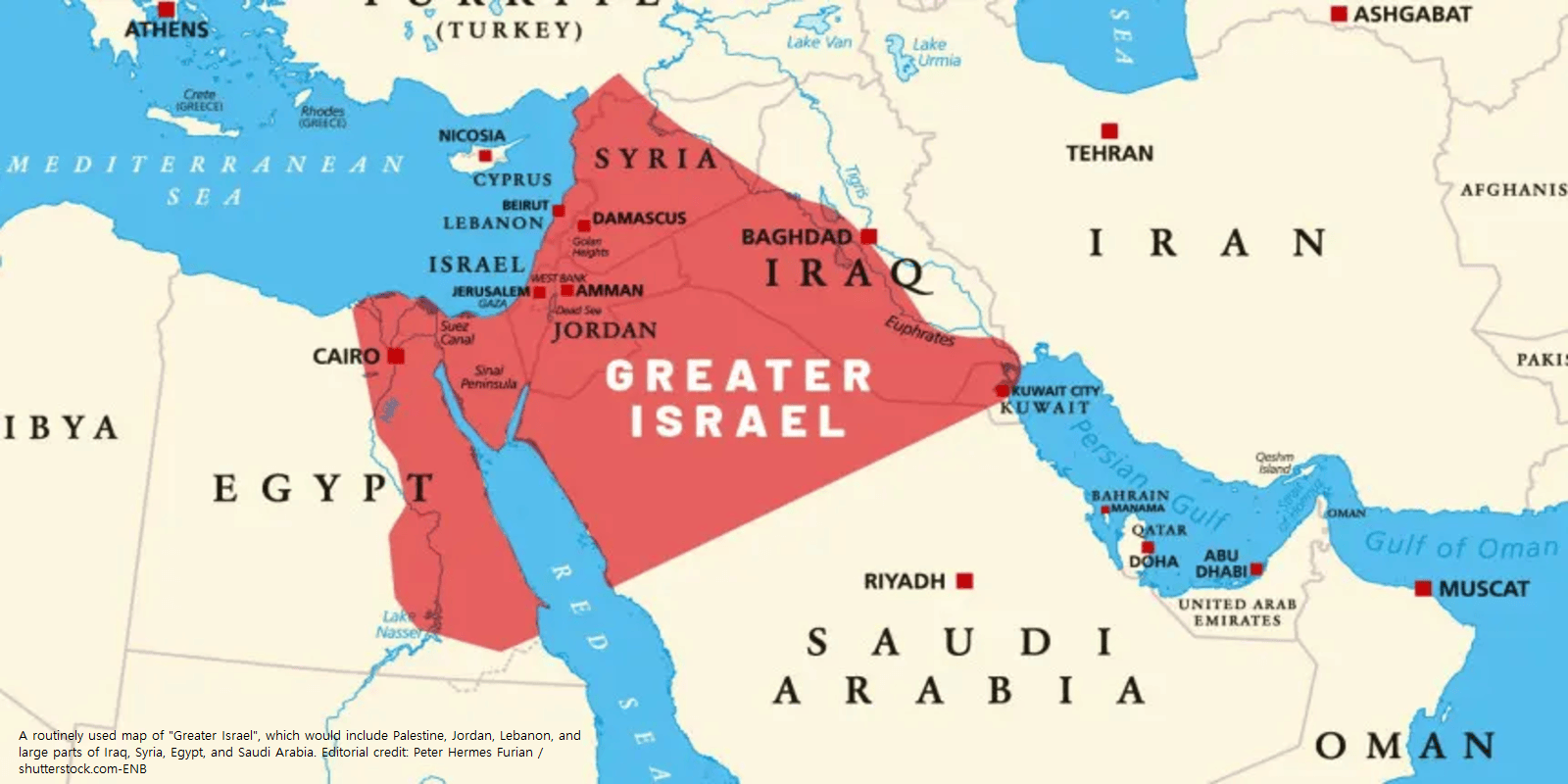
Mohamad Elmasry, professor of media studies at the Doha Institute for Graduate Studies, said Israel’s attacks are not truly about protecting the Druze, but about expanding Israeli control and weakening Syria. He views Israel’s actions as part of a wider strategy to divide and fragment the region, using the Druze issue as a pretext for territorial ambitions. He also notes that the Druze community is diverse, with many rejecting both separation and Israeli narratives.
Recent attacks in southern Syria Attacks* reported in 48 hours to 12:03 Jul 18

How Ahmed al-Sharaa lost control in southern Syria
How Ahmed al-Sharaa lost control in southern Syria
Israeli bombing and government’s apparent complicity in sectarian clashes have damaged efforts to unify country
Raya Jalabi in Damascus Published FT 18-07-2025
Syria has said it will redeploy its forces to try and re-establish control following days of sectarian violence in the south, risking a new chapter of what has spiralled into the most significant crisis of Ahmed al-Sharaa’s fledging presidency.
A truck robbery last week on the highway linking Damascus to the southern Syrian province of Sweida erupted into days of retributive violence between Bedouin clans and Druze militia groups.
This escalated when government forces, sent into the restive province for the first time since the fall of Bashar al-Assad to restore order, instead clashed with Druze militias. Rights groups say hundreds of people, including civilians, have been killed in days of fighting in which all sides have been accused of atrocities including summary executions.
Israel, in turn, launched a wave of attacks on security forces — including on the defence ministry in Damascus — claiming to be protecting the Druze and demanding Sharaa withdraw from Sweida, prompting the US to intervene to try and broker a settlement.
After bloody fighting between the Bedouin and Druze continued into Friday, Syrian authorities — who had a day earlier announced they were withdrawing from Sweida — said they were preparing to return to quell the unrest.
The crisis has underscored Syria’s fragility eight months after Sharaa led a rebel offensive that toppled Assad and ended a 14-year civil war, and has threatened to stoke further sectarian incitement in a country where Assad long pitted sects against each other.
The stand-off with Israel could also force Sharaa to in effect either cede ambitions to reassert state control over the south, undermining his attempts to unify the country, or risk an even greater confrontation with his southern neighbour. For now, Israel has agreed to allow government security forces to enter Sweida for 48 hours, “due to the ongoing instability”, an Israeli official told reporters.
“This marks the most dangerous moment for Syria’s transition and perhaps the first big mistake committed by Sharaa, who has so far been buoyed by a series of foreign policy coups,” like the lifting of sanctions and warming ties with the US, said Malik al-Abdeh, a London-based Syrian analyst.
“The whole transition is being threatened right now if this isn’t resolved quickly. How Sharaa navigates this moment will define the rest of his presidency.”
The Druze, an Arabic-speaking ethno-religious minority numbering about 1mn across Lebanon, Syria, Jordan and Israel, have long had an uncomfortable relationship with centralised government.
The community, who dominate Sweida, had their own statelet under French colonial rule in the 1920s before being forcibly subsumed into newly independent Syria in 1936. They kept a semblance of autonomy under Assad, as well as their well-armed militias, in exchange for not fighting against the regime.
But while they largely celebrated the fall of Assad in December, the community’s religious leaders and their followers were divided over Sharaa, whose Sunni Islamist movement was accused of massacring Druze during the civil war, considering them infidels and regime collaborators.
The Druze have so far refused to be integrated into the new state’s institutions and have not allowed state security forces to have a presence in Sweida. Distrust escalated into hostility after a bout of clashes between Druze fighters and security forces in April, which ended with a shaky agreement in which Druze militias in Damascus suburbs agreed to hand over some weapons to the state.
Government officials implementing the deal dealt harshly with the Druze, according to people familiar with the talks, demanding the surrender of more weapons than were agreed to and using sectarian rhetoric.
“It deepened the distrust that was already brewing, and triggered some Druze to stop dealing with the government altogether,” said one person familiar with the talks.
This pushed some Druze, who were initially wary of Israel, deeper into its arms. Israel has exploited the security vacuum that followed Assad’s fall to seize a swath of territory along the border and launch waves of strikes against Syrian military assets. It has also demanded southern Syria be entirely demilitarised.
Israel has painted its attacks as an attempt to protect the minority, some of whom have relatives in both countries. Hikmat al-Hijri, a prominent Syrian Druze leader considered closest to Israel, has pushed for greater power-sharing and autonomy from Damascus — his once fringe ideas gaining wider traction since April.
All this meant tensions were already at a fever pitch by the time of last Friday’s robbery, perpetrated by Bedouin Sunni clans with long-standing animosity towards Druze militias.
Government forces, sent in as de facto peacekeepers, have been tainted this week by widespread allegations and footage of human rights violations against civilians and acts intended to humiliate Druze men, such as shaving off their moustaches.
Local human rights activists said they have documented burned down and looted homes, and bodies piled on the streets of Sweida city, many with gunshot wounds to the head.
Sharaa quickly acknowledged that violations occurred, and said perpetrators would be held accountable.
But the incident, which follows clashes in coastal regions in March between government forces and Assad loyalists that also spiralled into civilian killings, risks marring his nascent military further in the eyes of Syria’s minorities.
It could also undermine efforts to court other groups, such as the Kurds in Syria’s north-east who are stalling efforts to integrate their autonomous region with Damascus.
“With the coastal violence, there was an understanding that it was largely defensive as there was an insurgency by Assad elements, and there was not a lot of sympathy for them nationwide,” said Issam Al Reis, senior military adviser to Etana, a Syrian research organisation. “This was clearly different.”
Sectarian hatred has been ignited. Some Syrian Sunnis, angered by what they see as Druze attempts to undermine the country’s transition, have called for an economic boycott and blockade of Sweida, which could further fragment the country. “The Druze are scared and want protection now — it means they could take it from anyone,” Al Reis said.
Sharaa, whose Sunni rebels were once affiliated with al-Qaeda, must also seek to restore a semblance of power and order in the face of threats from Israel.
But while the international community has welcomed the president, despite his extremist past, they might now be more hesitant to engage with his government and security forces, or could stall grand investment plans.
“This country is so close to success,” said one Syrian official. “Now it may get derailed by this terrible episode.”
Cartography by Aditi Bhandari. Additional reporting by Neri Zilber in Tel Aviv